SimUno failed. Here’s what it taught me.
The excitement of early sales, the mistakes I made, and what I’m taking into the next build.
 Dijedon Tahiri 5 min read
SimUno started making money before I really understood what I was doing.
I had built something, put it online, and people were paying for it. In the first two months, it brought in around $500 in revenue and two B2B partners, without advertising spend.
For me, that felt huge. An idea had become a product. A product had become something people would pay for. I was excited about where it could go.
I also moved too quickly. I opened a company before I had properly validated the idea or understood the market. When sales slowed down, I found out how many questions I had left unanswered.
SimUno is discontinued now. I’m still glad I built it. Here’s what happened, and what I would approach differently.
Getting a real product into the world
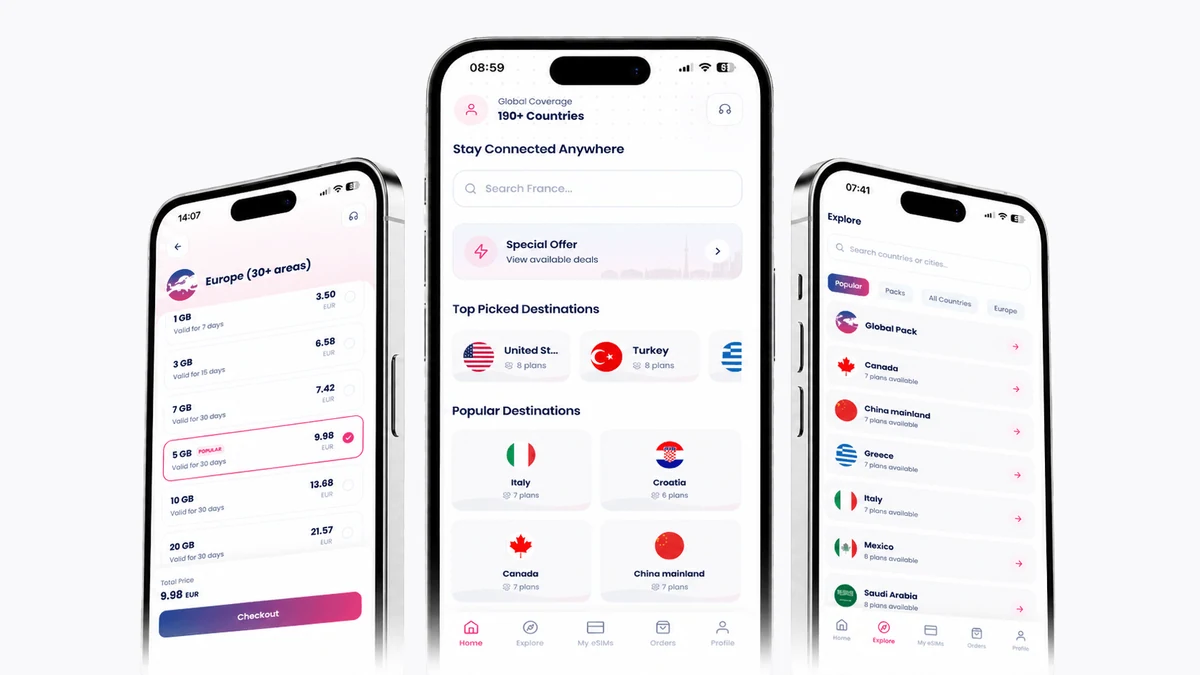
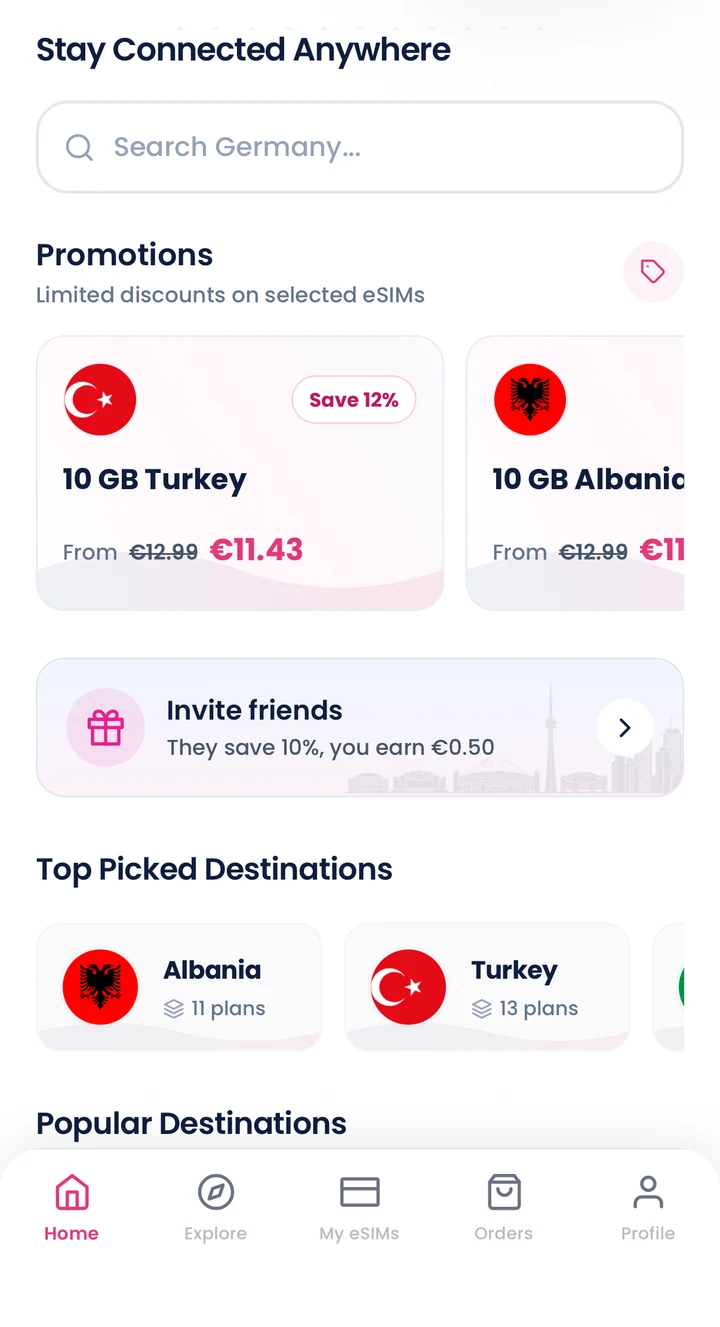
SimUno was a travel eSIM marketplace with coverage in more than 190 countries. It ran on the web, iOS, and Android.
I worked across the product, from design and the Laravel backend to payments, eSIM provisioning, the reseller portal, and mobile releases. There were a lot of parts to connect before someone could choose a plan, pay, and use it.
That kind of work suits me. I like seeing how the pieces fit together and following an idea through to a working product.
Then came the first sales.
Those early results made the project feel different. I wasn’t only building something I thought might be useful. People were making a decision to pay for it.
I was proud of that. The mistake was letting the excitement carry more weight than the evidence.

I opened the company too early
Opening the company was a serious step. I took it before I had done enough work on the questions around the product.
What alternatives did people already use? Why would they choose SimUno? How would I reach more of them? Could I keep finding customers after the first sales?
I hadn’t looked closely enough at the market to answer those questions well.
The early revenue was real. But it didn’t tell me enough about whether I understood the business I was entering. I treated it as a stronger signal than it was and let the excitement push me ahead.
That is the decision I would change. I would spend more time understanding the market and validating the idea before opening the company.
When sales slowed, I lost direction
At the beginning, making a sale made me happy. Watching sales go down had the opposite effect.
It became harder to think clearly about what to do next. With the product, I had concrete work in front of me. Finish a screen. Connect a flow. Fix a problem. Release the app.
The business questions were harder to turn into a clear next step. I had something people could buy, but I didn’t understand the market well enough to know where to put my attention.
I cared about SimUno, which made that uncertainty harder. I wanted it to work. I also needed to look at it more honestly.
That was an uncomfortable part of the experience. The excitement of the first sales hadn’t prepared me for it.
I needed to look beyond the product
I enjoy building, so that is where it is easy for me to put my energy. SimUno showed me how much attention the market needed alongside the software.
A potential customer already has options. I needed to understand those options, the reasons someone would switch, and the situations in which SimUno would make sense for them.
Those questions deserved time before the company was opened and throughout the build. They should have influenced what I made and how I explained it.
Next time, I want to get closer to those decisions earlier. Talk to people with the problem. Look carefully at what they already use. Find out whether the reason I want to build a product is also a reason they would want to buy it.
Ads needed a place in the plan
The first results came without ad spend. I was happy about that, but I still needed a way to reach people beyond the audience I had already reached.
I think more seriously about ads now. A small campaign could help test an offer, a message, or a landing page with a particular audience. To learn anything from it, I would need to know what question I was trying to answer.
I can’t say ads would have saved SimUno. I never proved that. What I learned is that reaching customers deserves its own plan, time, and attention.
I want to think about that work while I’m deciding what to build.
Connections and an audience take time
The two early B2B partners mattered too. They were a reminder that a business involves relationships as well as software.
I’m naturally introverted. Purposeful conversations suit me better than trying to be everywhere. I want to make more room for those conversations: understanding what someone needs, listening to their concerns, and staying connected over time.
I also see more value in sharing the work while it is happening. An audience gives the things I build somewhere to go. People can see the progress, ask questions, and decide whether they care about the problem.
That takes time to develop. I want to share things I can actually show, including the decisions I’m thinking through and the lessons from projects that ended.
This website is part of that effort.
What I’m taking into the next build
There are a few things I want to handle earlier:
- Understand the market. Look at the alternatives and speak to people with the problem before committing to a full product.
- Keep the evidence in perspective. Appreciate the first sales while continuing to test the assumptions behind the business.
- Plan how to reach people. Give ads, relationships, and an audience time alongside product work.
- Be more deliberate about commitments. Validate the idea more thoroughly before taking a step like opening a company.
SimUno failed as a business. It was still an amazing experience for what it taught me.
I built and released a real product. I saw people pay for it. I felt the excitement of early sales and the much harder feeling of watching them slow down.
I still want to build things and put them out into the world. Next time, I want a better understanding of the market to go with that excitement.